Lithium Batteries are a significant part of modern technology. These batteries power our smartphones, laptops, and electric vehicles. Their popularity continues to rise due to their lightweight and high energy density.
Understanding how lithium batteries work is essential. They utilize lithium ions to provide energy through chemical reactions. This process occurs during charging and discharging phases. However, there are concerns about the safety and environmental impact of lithium batteries. Incidents of overheating and fires have been reported.
As we rely more on lithium batteries, the need for responsible usage grows. It is crucial to reflect on recycling methods and battery disposal. Striking a balance between innovation and sustainability remains a challenge as technology evolves.
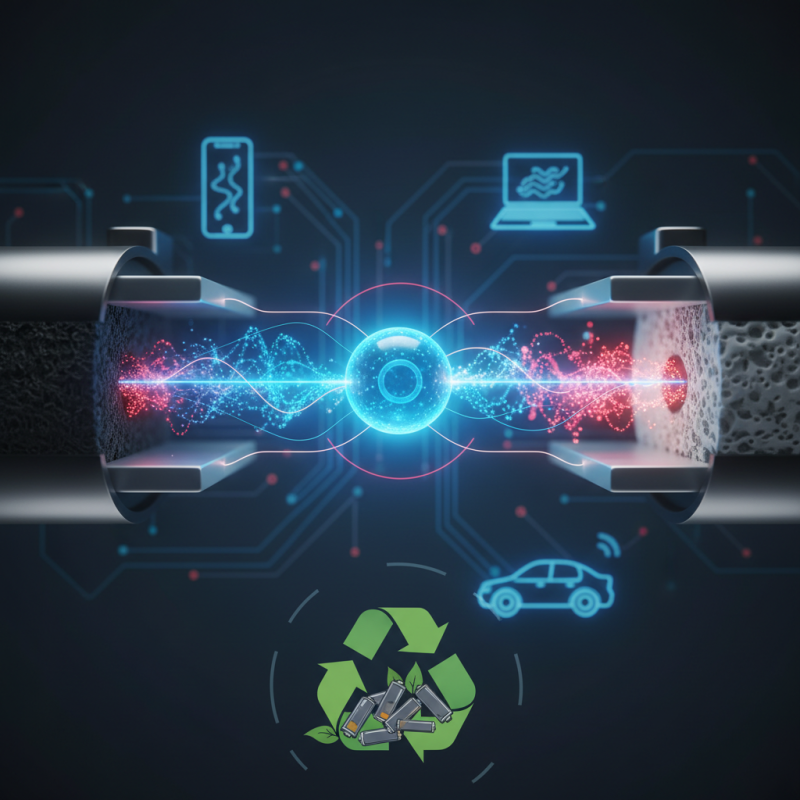
Lithium batteries have revolutionized how we store energy. They were first developed in the 1970s. Since then, their applications have expanded from consumer electronics to electric vehicles. In fact, the global lithium-ion battery market is expected to exceed $200 billion by 2025, as reported by industry analysts.
The history of lithium batteries is quite fascinating. Early versions used lithium metal, which posed safety concerns. Researchers soon transitioned to using lithium compounds, making them safer and more efficient. This shift led to the creation of lithium-ion batteries, which are now essential in devices like smartphones and laptops. Interestingly, as demand grows, the industry faces challenges. Supply chain issues and environmental concerns regarding lithium extraction are critical points that need addressing.
Looking to the future, the efficiency of lithium batteries is impressive. They can store more energy compared to nickel-cadmium or nickel-metal hydride batteries. However, this efficiency comes with a cost. Researchers need to explore better recycling methods. Sustainable practices must ensure that the benefits of lithium batteries do not overshadow environmental impacts. Balancing these aspects will be vital as technology advances.
Lithium batteries are fascinating devices that power many of our everyday gadgets. At their core are several key components that ensure they operate efficiently. The anode and cathode are critical. The anode is usually made from graphite, while the cathode is typically lithium cobalt oxide. These materials play a vital role in the battery's performance.
The electrolyte is another essential part. It facilitates the movement of lithium ions between the anode and cathode during charging and discharging. Often, it consists of lithium salts dissolved in organic solvents. The separator is a thin barrier that prevents direct contact between the anode and cathode. This design choice helps avoid short circuits and enhances safety.
Despite their advancements, lithium batteries have limitations. They may degrade over time, losing capacity. Temperature can significantly affect their efficiency. High heat can cause swelling, and cold can reduce power output. These issues often require careful considerations when designing lithium battery systems, especially for long-term use.
Lithium batteries play a crucial role in modern energy storage. Their working principles rely on chemical reactions between lithium ions and electrodes. This process enables high energy density, making them ideal for various applications, from electric vehicles to mobile devices. According to the International Energy Agency (IEA), lithium battery production is expected to grow substantially, with a projected market value of $129 billion by 2027.
The chemistry behind these batteries involves two electrodes: anode (typically made of graphite) and cathode (often made of lithium metal oxide). When charging, lithium ions move from the cathode to the anode. During discharge, the reverse occurs, releasing energy for use. The electrochemical reactions happen in electrolyte solutions, which can be aqueous or non-aqueous. The choice of electrolyte affects battery efficiency and safety. Despite their advantages, lithium batteries face challenges. Dendrite formation can lead to short circuits, and thermal runaway poses serious safety risks.
Recent reports indicate that enhancing the lifespan of lithium batteries is an ongoing research focus. The average lifespan of these batteries has improved, yet it can vary widely based on usage and environmental factors. Efforts are being made to develop solid-state batteries, which could address some current limitations. However, many questions remain on how to scale this technology effectively while maintaining safety and performance.
Lithium batteries have become essential in our everyday lives. Understanding their performance metrics can help in making informed choices. The three key metrics are capacity, voltage, and cycle life.
Capacity refers to how much charge a battery can store. It’s usually measured in amp-hours (Ah). A higher capacity means the battery will run longer. However, it’s important to note that larger batteries can be bulkier and heavier. This discrepancy might not be ideal for all applications.
Voltage is another critical metric. Most lithium batteries operate around 3.7 volts. This level is crucial for most devices. However, it's essential to be careful. Using a battery with the wrong voltage can damage your device.
Cycle life indicates how many charge and discharge cycles a battery can endure. A typical lithium battery might last between 500 to 1,500 cycles. After reaching its cycle limit, the battery’s capacity will decrease significantly. This decline might occur faster than expected, especially with poor usage practices.
Tip: Always monitor your battery's health. Overcharging can shorten its lifespan.
Keep an eye on the conditions too. Extreme temperatures can impact performance.
Understanding these metrics can help you choose a reliable lithium battery.
| Parameter | Value | Unit |
|---|---|---|
| Nominal Capacity | 2500 | mAh |
| Nominal Voltage | 3.7 | V |
| Cycle Life | 500 | Cycles |
| Charge Time | 2.5 | Hours |
| Discharge Rate | 1.0 | C |
| Temperature Range | -20 to 60 | °C |
| Weight | 45 | g |
Lithium batteries have become crucial in various industries. Their lightweight and high energy density make them ideal for use in electronics, electric vehicles, and renewable energy systems. In consumer electronics, laptops and smartphones benefit from their long-lasting power. Industries are increasingly relying on them for efficient energy solutions.
The automotive sector has seen a significant shift. Electric vehicles utilize lithium batteries for their performance and range. This transition is not without challenges. Battery production is energy-intensive. Sourcing materials also raises concerns about environmental impacts. However, the focus on sustainable practices is growing. Companies are exploring recycling methods and alternative materials.
Future trends suggest even broader applications for lithium batteries. Renewable energy storage systems are evolving. They can store solar and wind energy for later use. As technology advances, the efficiency and capacity of lithium batteries may improve. Yet, questions remain about long-term sustainability. The balance between innovation and environmental responsibility needs to be addressed.