Choosing the right aba blown film machine can significantly impact your production quality. With various options available, making an informed decision is crucial. Each machine offers unique features tailored for different demands.
Understanding your specific needs is the first step. Consider factors like film thickness, width, and material types. However, it’s easy to overlook some aspects. One might focus only on cost, forgetting about efficiency or after-sales support. It’s essential to evaluate the long-term benefits.
In addition, reviews and comparisons can help. Look for user experiences, but remember that what works for one may not suit you. Testing machines before purchase is ideal. Sometimes, feedback can be misleading. Rely on several sources, and trust your instincts when it comes to selecting specific models. Embrace the learning curve this process entails; it can lead to better decisions in the future.
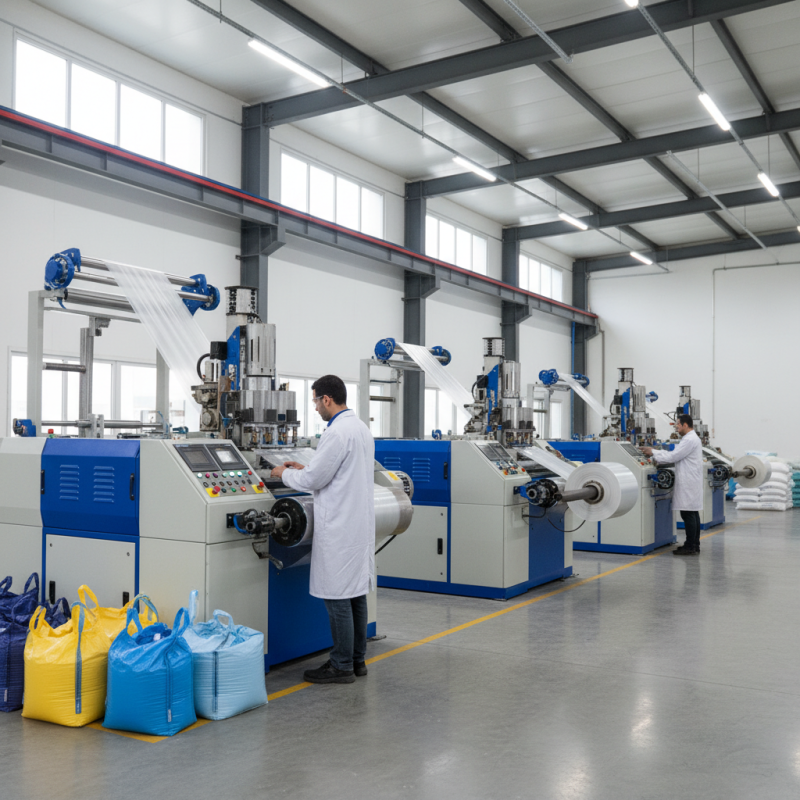
aba blown film machines play a vital role in various industries. They are primarily used to produce multi-layer films, which serve a range of applications. These films can be found in packaging, agricultural, and construction sectors. Their ability to offer excellent barrier properties makes them ideal for food packaging. Companies favor these machines for their efficiency and product quality.
When selecting an ABA blown film machine, it’s important to understand your specific needs. Consider the type of materials you intend to use. For instance, different polymers require various machine features. Be mindful of the production speed you desire. It can significantly affect your output. An ideal machine should balance speed and quality.
Maintenance can also be an area for reflection. Regular checks can prevent breakdowns, but some users overlook this aspect. It’s essential to ensure that the machine is properly calibrated. Inconsistent film thickness can lead to wasting materials. Choosing the right machine is not merely about features, but also about ensuring long-term reliability and efficiency.
Choosing the right ABA blown film machine involves understanding key features. One critical factor is the machine's output capacity. How much film do you need to produce? Machines vary widely in capacity. Ensure your choice aligns with your production goals.
Another important feature is film width. Different applications require various widths. A machine with adjustable width can be beneficial in handling diverse projects. However, it may also complicate the setup process. Consider how often you will need to switch film sizes.
Material compatibility is another aspect to think about. Not all machines can handle the same resins or additives. Research the types of materials you plan to use. A machine that offers flexibility can be advantageous but may require more maintenance. Understand your material needs thoroughly to avoid frustrations later. Reflecting on these points can save you time and resources in the long run.
When assessing production capacity requirements for your business needs, it’s crucial to understand your expected output. The global blown film market is growing steadily, with a projected CAGR of 4.5% from 2021-2026. This trend indicates rising demand for packaging solutions. Therefore, defining your target production volume is essential.
Consider your current and future needs. You might need machines that produce 300 kg to over 2000 kg of film per day, depending on your operations. It's also important to factor in potential market changes. Is your production adaptable enough to meet unexpected demands? Flexibility can protect your investment in the long run.
**Tip:** Evaluate the machine's throughput capabilities in relation to your market analysis. Look into historical production data for your industry.
Another consideration is quality control. High production numbers are essential, but not at the expense of film quality. According to industry reports, about 15% of production can be lost due to defects. Determine your acceptable waste levels. This can significantly affect your overall efficiency and profitability.
**Tip:** Regular maintenance and upgrades can extend your machine's lifespan. Think about investing in training for your operators as well.
| Machine Model | Production Capacity (kg/h) | Film Width (mm) | Layer Configuration | Power Consumption (kW) | Approx. Price ($) |
|---|---|---|---|---|---|
| Model A | 150 | 1000 | 3-layer | 50 | 30,000 |
| Model B | 120 | 1200 | 5-layer | 55 | 35,000 |
| Model C | 200 | 1500 | 3-layer | 60 | 40,000 |
| Model D | 180 | 1100 | 5-layer | 58 | 38,000 |
When evaluating the quality and technology of ABA blown film machines, focus on several key factors. The technology employed in these machines significantly influences productivity. Advanced models utilize dual extruders, enhancing the blending of materials. According to a recent industry report, machines with improved processing capabilities can increase output by up to 30%.
Quality isn’t just about speed. The gauge control is crucial too. Precise gauge control ensures uniform thickness throughout the film. Variability in thickness can lead to waste and inefficiency, negatively impacting profitability. An ideal machine should have automatic gauge control features to minimize human error.
Additionally, consider the energy efficiency of the machines. Research indicates that energy-efficient models can reduce operational costs by approximately 15% annually. While many newer machines boast these features, not all of them deliver on promised energy savings. It’s essential to read reviews and seek testimonials from users to understand the real-world performance of the machines you are considering.
Investing in an ABA blown film machine can be a significant financial commitment. When budgeting, it’s crucial to identify your needs. Consider production volume, film quality, and operational efficiency. Each of these aspects impacts the overall cost.
Tips: Always include a margin for unexpected expenses. Machines can require maintenance or parts replacement. Also, consider the cost of training operators. A well-trained team can optimize production and reduce waste.
Evaluate financing options as well. Some manufacturers may offer payment plans. This could ease the strain on your cash flow. Be realistic about your budget and potential returns. Don't forget the hidden costs, such as power consumption and space requirements. Balancing your budget against actual needs requires reflection. Make sure every dollar is allocated effectively.