When choosing an LPG Storage Tank, several factors must be considered. Safety, efficiency, and size play crucial roles. An ideal LPG storage tank meets your specific needs and ensures proper handling of liquefied petroleum gas. The market offers a variety of options, making selection challenging.
Different types of tanks are available, from vertical to horizontal designs. Each type has unique advantages. For instance, horizontal tanks may take less space, while vertical ones can be more accessible for refilling. It is essential to evaluate your location and storage capacity as you make a decision.
Yet, selecting the best LPG Storage Tank often comes with uncertainties. Knowing the capacity you require can be tricky. Misjudgment can lead to inadequate storage or over-purchasing. It's vital to reflect on your needs before making a choice. Ultimately, the best LPG storage tank option should align with safety standards and operational efficiency.
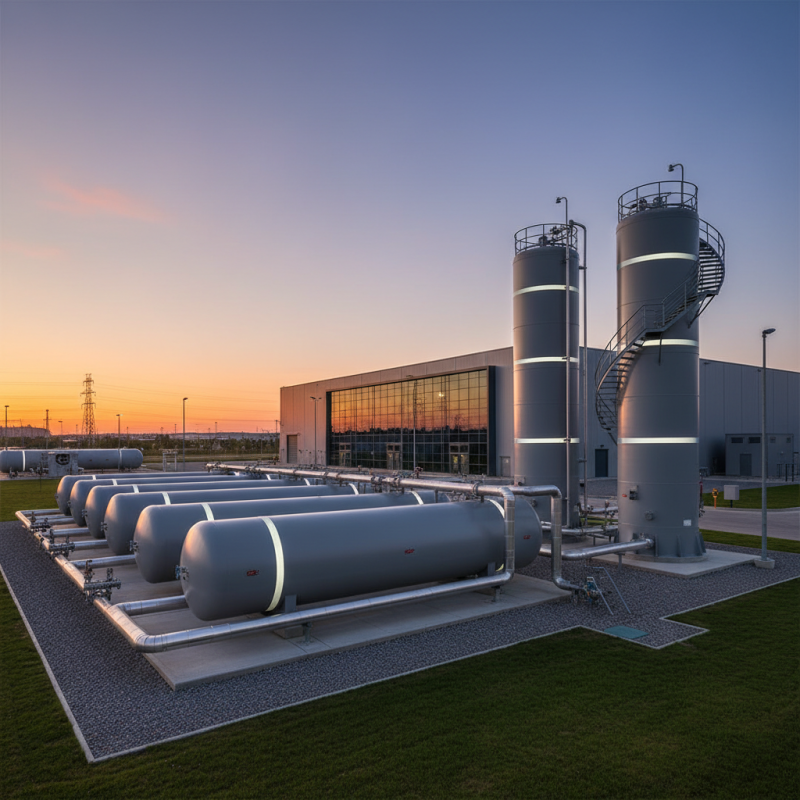
LPG storage tanks play a critical role in energy management. They safely hold liquefied petroleum gas, a clean-burning energy source. According to the U.S. Energy Information Administration, LPG consumption reached 25 billion gallons in 2022. As demand grows, reliable storage options become vital.
Choosing the right LPG storage tank impacts efficiency. Tanks must meet safety regulations, which vary by region. Many facilities report that improper storage can lead to losses. A study revealed that 30% of businesses faced supply disruption due to inadequate storage solutions. This highlights the importance of investing in appropriate tanks.
Maintenance is another critical aspect. Regular inspections can prevent leaks and extend tank life. Unfortunately, many operators overlook this step. The National Fire Protection Association indicates that equipment failure accounts for about 20% of LPG-related incidents. Prioritizing tank upkeep is essential for safe energy management.
| Tank Size (Liters) | Material | Safety Features | Average Price ($) | Best Use Case |
|---|---|---|---|---|
| 1,000 | Steel | Overfill protection, pressure relief | 1,500 | Residential heating |
| 2,500 | Fiberglass | Corrosion resistance | 2,000 | Commercial use |
| 5,000 | Carbon Steel | Seismic standards | 3,500 | Industrial use |
| 10,000 | Steel | Fire safety systems | 5,000 | Bulk storage |
When choosing an LPG storage tank, understanding the differences between aboveground and underground options is crucial. Aboveground tanks are easier to install and maintain. They are visible, allowing for quick inspections. These tanks often come in various sizes, making them adaptable for different needs. According to a report by the American Gas Association, aboveground storage is prevalent in residential areas due to ease of access. However, they can be susceptible to environmental factors. This vulnerability sometimes raises concerns about safety and longevity.
On the other hand, underground tanks offer different advantages. These tanks are less likely to be damaged by weather or accidental impacts. Their underground location provides insulation, keeping the LPG at a stable temperature. An analysis from the National Fire Protection Association indicates that underground tanks can have a lower risk of explosion due to their position. Still, the installation cost is significantly higher. Accessibility for maintenance can also be a challenge, leading to potential service delays. Balancing these pros and cons is vital in making an informed choice.
Selecting the right LPG storage tank involves numerous factors. Businesses must consider capacity, safety features, and installation requirements. According to the National Fire Protection Association, nearly 40% of LPG incidents stem from improper storage. This statistic highlights the need for proper selection.
Capacity is vital. Assess your business's average usage. Tanks come in various sizes. A too-small tank can lead to outages. Conversely, an oversized tank may incur unnecessary costs. Additionally, think about the location. Tanks should be installed in areas compliant with local regulations and far from ignition sources.
Safety features cannot be overlooked. Look for tanks with pressure relief valves and corrosion-resistant materials. A report from the American Gas Association found that tanks lacking these features are 20% more likely to fail. Conduct regular inspections to ensure optimal performance. Remember, a small oversight can have dire consequences. Prioritize safety and efficiency in your decision-making.
When choosing LPG storage tanks, regulatory compliance is critical. Safety standards dictate how these tanks are designed and maintained. According to the National Fire Protection Association (NFPA), improper storage can lead to severe accidents. The NFPA emphasizes that 80% of LPG-related incidents arise from equipment failure or poor maintenance.
Regular inspections and proper training are essential. Many facilities fail to meet compliance due to a lack of routine checks. Data from the Occupational Safety and Health Administration (OSHA) highlights that 40% of businesses do not conduct annual safety audits. This oversight can result in costly fines and safety hazards.
Further, the design of LPG tanks must be tailored to specific needs. Many tanks do not accommodate local climate or usage conditions. In regions with extreme weather conditions, tanks can erode more quickly. Investing in the right material and design can mitigate this risk. Failure to do so can lead to leaks and dangerous situations. Compliance is not just a legal obligation; it is a responsibility to ensure safety.
When considering LPG storage tank options, cost analysis is crucial. Different tanks come with varying lifetime expenses. Installation costs, maintenance fees, and fuel efficiency contribute significantly to the overall price. For example, larger tanks may have higher upfront costs but often lead to lower fuel costs over time. Smaller tanks, while cheaper, could require more frequent refills, leading to increased expenses.
Evaluating storage needs is essential. A household might benefit from a smaller tank, while a business may need a larger one. The maintenance frequency can also vary. Some tanks require regular inspections, while others may need less frequent checks. This difference can impact long-term costs. Make sure to account for these factors when making a decision.
Deciding on the best storage option isn't straightforward. It's important to weigh both short-term and long-term costs. Sometimes, a cheaper initial option may lead to unexpected expenses later. Understanding your specific needs and the implications of each type of tank is vital. Review all factors thoroughly, even if it feels overwhelming. This reflection can guide you to a more suitable choice.