Choosing the right Jewelry Pouch supplier is no longer a simple price comparison. Global buyers now assess protection, presentation, material traceability, customization, and delivery reliability. A soft velvet pouch may look elegant, but weak stitching can expose a ring box to dust, scratches, or compression during transit.
The luxury market adds pressure. Bain & Company reported that the personal luxury goods market reached approximately €363 billion in 2023, while 2024 showed slower consumer demand. That shift makes practical packaging more important. Grand View Research also identifies flexible packaging as a major global packaging segment, supported by lightweight formats and improved material efficiency. Jewelry pouches fit this trend, but the category remains less standardized than food or cosmetic packaging.
Packaging professor Dr. Jay Singh offers a useful principle: “Packaging must protect the product while minimizing its environmental impact.” Buyers should test that principle directly. Ask suppliers for fabric specifications, colorfastness results, zipper or drawstring samples, carton dimensions, and production photographs. A recycled claim without certification deserves questions. So does an attractive sample with inconsistent seams.
No supplier list is perfect. Samples can mislead. Production batches may change. This guide therefore compares 2026 Jewelry Pouch suppliers through a buyer-focused lens, including material quality, minimum order quantities, customization depth, audit readiness, lead times, and export experience. The strongest supplier may not offer the lowest quote. It may offer fewer surprises.
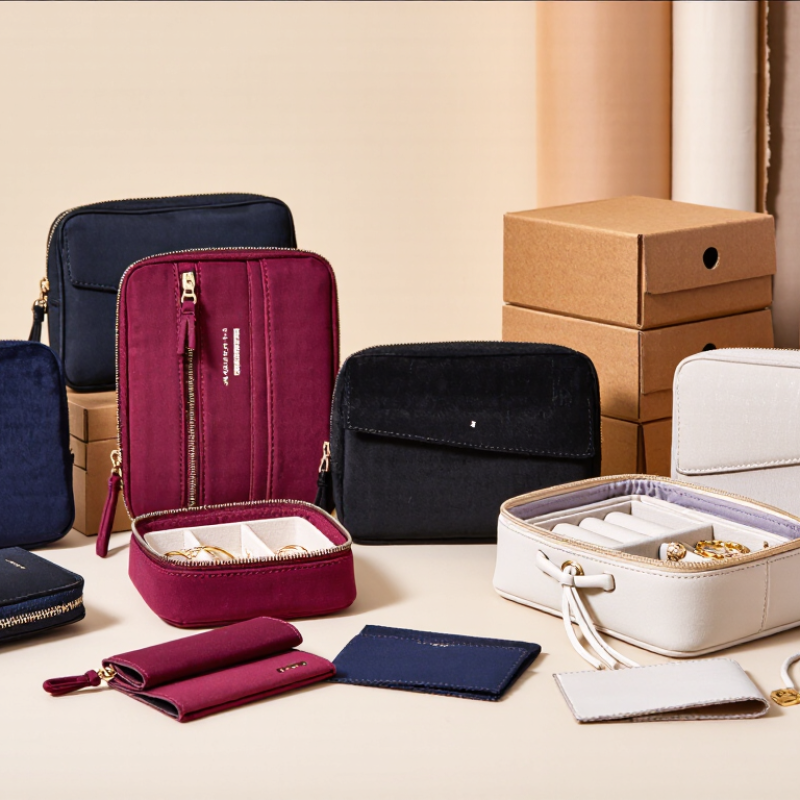
The best jewelry pouch supplier in 2026 offers more than attractive fabric and competitive pricing. Buyers need consistent quality, clear communication, and evidence behind every promise. In my sourcing experience, a reliable supplier sends physical samples before discussing large orders. The pouch should feel balanced in the hand. Seams must remain straight, drawstrings should move smoothly, and interior lining should resist loose fibers.
Material knowledge also matters. Suppliers should explain fabric weight, coating options, color stability, and care requirements in practical terms. They should provide production timelines, packaging details, and realistic minimum order quantities. Clear inspection procedures are essential. Ask how they check stitching, dimensions, printing alignment, and surface marks before shipment. Small defects become expensive when thousands of pouches arrive.
No supplier is perfect. That matters. A sample may look excellent while later batches show uneven tension or slight color changes. I once treated a smooth approval process as proof of reliability, and missed asking about batch-to-batch controls. The mistake was small, but the rework was not. Strong suppliers welcome detailed questions, document changes, and admit limitations early. They should also offer responsive support when specifications change. Trust grows through records, not confident wording. A supplier who can prove capability repeatedly is usually a safer choice for global jewelry buyers.
Choosing the best jewelry pouch supplier in 2026 requires more than comparing photographs and prices. Material selection affects protection, presentation, and customer experience. Soft cotton feels natural, while velvet offers a richer surface. Microfiber can reduce scratching during handling. Recycled polyester may improve durability, but its texture needs careful inspection. Ask for fabric weight, colorfastness results, and stitching samples.
Design should match the jewelry, not only the logo. A small drawstring pouch suits earrings and rings. Larger pieces may need a flat pouch with a secure snap. Interior compartments can prevent chains from tangling. Check the cord ends, seam strength, and opening size by hand. Small details matter. A beautiful pouch can still feel awkward in daily use.
Customization should be tested in stages. Request a digital mockup, a physical sample, and a production approval sample. Compare logo placement, print sharpness, lining color, and measurements. Confirm minimum order quantities, sample charges, lead times, and inspection procedures in writing. I would also test several pouches after repeated opening, folding, and light moisture exposure. This method is not flawless. Colors may vary slightly between batches, and some suppliers may provide better samples than production quality. A clear tolerance sheet and independent inspection can reduce unpleasant surprises.
| Pouch Material | Protection and Hand Feel | Common Designs | Typical MOQ for Custom Orders | Indicative Sample Lead Time | Indicative Bulk Lead Time | Customization Options | Sustainability Considerations | Best Application |
|---|---|---|---|---|---|---|---|---|
| Cotton | Soft, breathable, and suitable for everyday packaging. Provides light surface protection but limited padding. | Drawstring Flat pouch Envelope | 500–1,000 pieces | 7–14 calendar days | 20–35 calendar days | Screen printing, heat transfer, woven labels, embroidery, custom colors, cord selection, and size changes. | Natural fiber and widely recyclable where textile recycling is available. Confirm dye and finishing processes. | Cost-conscious retail packaging, promotional jewelry, and lightweight gift sets. |
| Velvet | Soft, smooth, and visually premium. Helps reduce surface scratching when the inner pile is dense and clean. | Drawstring Flat pouch Box insert | 500–1,000 pieces | 10–18 calendar days | 25–40 calendar days | Foil stamping, embroidery, screen printing, metal charms, satin or cotton cords, custom lining, and color matching. | Usually polyester-based. Ask for recycled polyester content and test for shedding, colorfastness, and fiber composition. | Premium jewelry, bridal collections, luxury presentation, and seasonal gift packaging. |
| Linen or Linen Blend | Textured, breathable, and naturally styled. Less plush than velvet and may crease during shipping. | Drawstring Envelope Two-compartment pouch | 500–1,000 pieces | 10–18 calendar days | 25–40 calendar days | Water-based printing, woven labels, embroidery, contrast stitching, natural cords, and custom woven textures. | Flax linen is a plant-based fiber. Verify the percentage in blends and request information on finishing chemicals. | Natural, artisanal, minimalist, and environmentally positioned jewelry lines. |
| Microfiber | Very smooth and low-lint. Offers good contact protection for polished metal, gemstones, and plated surfaces. | Drawstring Zip pouch Cleaning pouch | 1,000–3,000 pieces | 10–20 calendar days | 25–45 calendar days | Full-color sublimation, logo printing, edge binding, custom dividers, drawcords, zippers, and cleaning-cloth integration. | Generally synthetic polyester or polyamide. Ask about recycled content and microfiber-shedding controls. | Fine jewelry, watches, optical items, polishing kits, and products requiring a low-lint interior. |
| PU Leather | Smooth, structured, and moisture-resistant compared with many untreated textiles. Provides a more substantial appearance. | Snap pouch Zip pouch Fold-over case | 500–1,000 pieces | 14–21 calendar days | 30–50 calendar days | Debossing, foil stamping, metal logos, contrast stitching, edge painting, custom lining, and molded shapes. | Contains polyurethane coating and a textile backing. It is not equivalent to natural leather; request composition and compliance documents. | Structured presentation, travel jewelry cases, corporate gifts, and mid-to-premium packaging. |
| Recycled Polyester | Consistent, durable, and available in smooth or woven constructions. Protection depends on fabric weight and lining. | Drawstring Zip pouch Multi-pocket pouch | 1,000–3,000 pieces | 14–21 calendar days | 30–50 calendar days | Digital printing, woven labels, recycled cords, custom linings, pockets, zippers, and recycled-content hangtags. | Can use post-consumer PET feedstock. Request recycled-content certification and verify whether trims are also recyclable. | Scalable global programs, promotional campaigns, and brands requiring recycled-material options. |
| Organic Cotton | Soft, breathable, and comparable to conventional cotton, with performance influenced by fabric weight and weave. | Drawstring Envelope Reusable gift pouch | 1,000–3,000 pieces | 14–21 calendar days | 30–50 calendar days | Water-based printing, embroidery, woven labels, natural cords, custom gussets, and certified-material labeling. | Look for recognized organic-fiber certification and separate evidence for dyes, trims, and final manufacturing. | Eco-conscious packaging, direct-to-consumer orders, and reusable retail presentation. |
| Padded Textile | Uses a textile outer layer with foam, felt, or quilted padding. Offers better impact protection than a single-layer pouch. | Zipper case Roll pouch Compartment organizer | 1,000–3,000 pieces | 14–25 calendar days | 35–55 calendar days | Custom thickness, molded inserts, ring rolls, earring panels, dividers, zipper pulls, logo patches, and printed linings. | Protection improves with additional materials, but recycling becomes more difficult when fabrics, foam, and hardware are bonded together. | High-value jewelry, travel collections, multi-piece sets, and international shipping programs. |
Planning note: MOQ and lead-time figures are typical planning ranges for custom jewelry-pouch production and vary according to material availability, order quantity, printing method, tooling, testing, packaging, and shipping terms. Buyers should request a pre-production sample, material composition, colorfastness results, packaging specifications, and applicable compliance documentation before placing a bulk order.
Global jewelry pouch buyers need more than attractive samples. Reliable suppliers show consistent production, clear communication, and documented quality controls. During sourcing, request samples with different fabrics, closures, lining weights, and logo methods. Compare delivered pieces with the approved specification. Small differences often reveal weak process control.
A dependable supplier explains minimum order quantities, production capacity, lead times, and shipping responsibilities clearly. Ask for a realistic production schedule, not an optimistic promise. Factory audits, material records, and inspection reports provide useful evidence. Independent testing may also matter for packaging materials used near sensitive surfaces. Check how the supplier handles defects, replacements, and urgent changes. Their response can be more revealing than their sales presentation.
Global service also depends on practical communication. Suppliers should confirm dimensions, color references, carton counts, and labeling before production. They need experience preparing export documents and protecting pouches from moisture, crushing, and dust. Request recent buyer references when possible. Still, references are not proof of perfect performance. No supplier performs perfectly. Delays happen. The stronger partner admits risks early and proposes workable options. I would score reliability across quality, responsiveness, transparency, and recovery support, rather than choosing the lowest price. A cheaper pouch can become expensive after rework, missed launches, or damaged packaging. Supplier claims should be checked against samples, records, and actual delivery results.
2026 Best Jewelry Pouch Suppliers for Global Buyers?
How to Evaluate Pricing, Minimum Orders, Quality, and Production Capacity
A reliable supplier should provide a detailed quotation, not one attractive unit price. Ask for fabric, printing, packaging, tooling, sample, and shipping costs separately. Compare landed cost by destination. A cheaper pouch may require expensive freight or extra inspection. Request tiered prices for 500, 1,000, and 5,000 pieces. Prices often change with pouch size, lining, closure type, and color count. Keep those variables fixed during comparison.
Minimum order quantities need careful attention. Some factories quote one MOQ for each design, but separate colors may create separate orders. Ask whether a mixed-color pilot order is possible. A small trial can reveal stitching problems before large production begins. It may also cost more per piece. That is acceptable when product risk is high. I have seen buyers focus too heavily on MOQ and overlook slow replenishment.
Quality checks should include fabric weight, color consistency, seam strength, drawstring movement, and logo placement. Request a pre-production sample and approve a physical reference piece. Digital images are not enough. Production capacity requires evidence, including monthly output, equipment, staffing, and peak-season lead times. Ask who performs outsourced processes. A supplier may have impressive capacity on paper but limited control over embroidery or printing. No factory gets every detail right. Leave time for corrections, reinspection, and unexpected material delays. A clear inspection plan builds more trust than confident promises.
Before placing a jewelry pouch order, global buyers should inspect more than photos and price lists. Request a physical sample with the exact fabric, lining, cord, stitching, and printing method. Check whether the pouch protects delicate surfaces without leaving fibers or dye marks. Measure its length, width, and opening after repeated use. Small differences can affect jewelry presentation and shipping efficiency.
Ask the supplier for material specifications, production tolerances, quality-control procedures, and recent inspection records. Confirm the minimum order quantity, sample fee, production time, packaging method, and delivery terms in writing. A clear purchase agreement should define color standards, logo placement, acceptable defects, and replacement procedures. Test the drawstring, seams, and print after opening the pouch at least twenty times. Real handling reveals problems that factory photos often hide.
Supplier reliability also requires evidence. Review export experience, factory capacity, worker safety practices, and relevant product documentation. Avoid relying on one attractive sample. A perfect sample may conceal inconsistent bulk production. I would request random units from a trial batch, although this can increase cost and delay approval. That inconvenience may expose loose threads, uneven stitching, or incorrect dimensions before a larger order. Keep communication records and approve a signed sample before production begins.
Recommended evaluation weighting for global buyers before placing a jewelry pouch order. Buyers should verify product quality, export readiness, production capacity, and commercial terms with documented evidence.
The percentages represent a practical purchasing framework rather than market-share data. Request samples, material specifications, compliance documents, packaging details, production lead times, and a written quotation before approval.