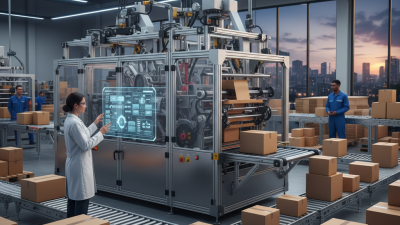
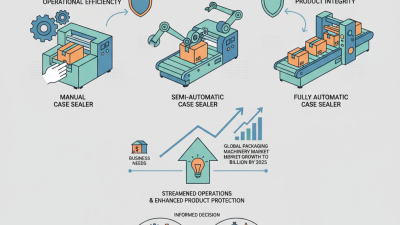
Choosing the 2026 Best Automatic Case Sealer for Global Buyers requires more than comparing advertised speed. A reliable Automatic Case Sealer must handle real cartons, changing box sizes, dusty floors, and long production shifts. Buyers should examine sealing consistency, tape or adhesive compatibility, adjustment time, power requirements, and operator safety. A machine may claim 30 cases per minute, but performance can fall when cartons arrive unevenly or contain fragile products. That difference matters.
This guide approaches the market from a practical purchasing perspective. It considers factory trials, maintenance access, spare-part availability, supplier communication, and after-sales support. These details often decide whether equipment remains productive after installation. A strong supplier should provide clear specifications, test records, installation guidance, and responsive technical assistance. Regional electrical requirements and workplace standards also deserve careful checking before purchase. Compliance should never be treated as an afterthought.
There is no universal winner.
Some machines look excellent on paper. However, their real value may change with carton dimensions, labor costs, and shipping conditions. Global buyers should compare total ownership costs, not only the initial quotation. A cheaper sealer can become expensive when belts, sensors, or specialized parts are difficult to replace. The recommendations in this overview are useful starting points, not final procurement decisions. Every factory has different constraints, and one overlooked detail can change the result. A short production trial remains one of the most dependable ways to verify suitability.
2026 Best Automatic Case Sealer for Global Buyers?
What Is an Automatic Case Sealer and How Does It Work?
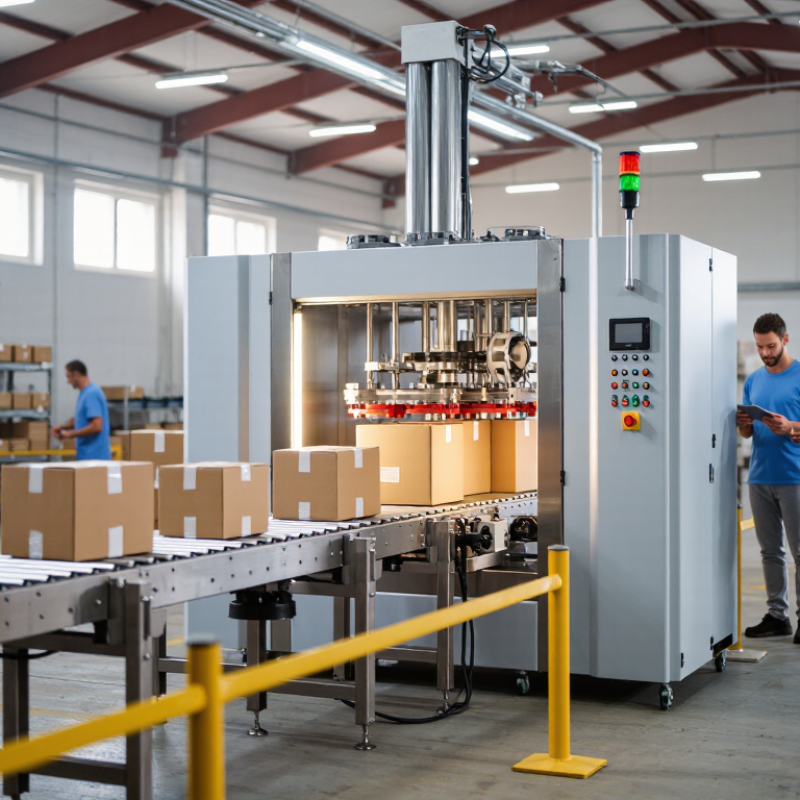
An automatic case sealer closes filled cartons with consistent tape application. It uses sensors, guide rails, folding arms, and powered belts. The operator places a carton on the conveyor. The machine centers it, folds the top flaps, and applies tape along the seam. No hand-taping follows.
Sensors detect carton height and position before sealing begins. Drive belts move the box at a controlled speed. Folding arms press the flaps into place. A cutting blade separates the tape after application. The sealed carton then exits for palletizing or inspection. Small details matter. Poor carton alignment can create loose edges or exposed gaps.
During equipment trials, I have seen small cartons shift when side guides were set too wide. Not quite. Correct adjustment improved sealing stability immediately. A reliable machine should handle expected carton sizes without excessive manual correction. Buyers should check sealing pressure, conveyor speed, noise, cleaning access, and emergency-stop performance. Voltage compatibility and operator training also deserve attention in international installations. Dust, uneven cartons, and overloaded boxes can still reduce performance, even with a well-built system.
For 2026, the best automatic case sealer is not simply the fastest machine. Global buyers should assess carton range, sealing accuracy, changeover time, and service access. Smithers’ The Future of Packaging to 2028 report estimates the global packaging market will grow from about USD 1.17 trillion in 2023 to USD 1.38 trillion by 2028. This growth increases pressure on equipment uptime and packaging consistency.
Check whether the machine handles your actual box sizes, board grades, and filling conditions. A practical trial should test dusty cartons, uneven flaps, and short production runs. Look for automatic height adjustment, stable side belts, precise tape or adhesive control, and guarded moving parts. Servo-driven adjustments can reduce setup errors, but they also require skilled maintenance. More automation is not always better.
PMMI’s automation research identifies labor availability and production flexibility as major packaging investment drivers. Therefore, inspect the human interface carefully. Operators should change formats without searching through complicated menus. Review line-speed data, reject rates, energy use, and compressed-air demand. Ask for factory acceptance testing and realistic performance records, not only catalog figures. I would also verify electrical compatibility and spare-part response times before purchase. A faster sealer can still be a poor choice if one worn belt stops the line for hours. Some specifications remain optimistic. Reflect on your weakest carton condition, not your best sample.
Choosing the best automatic case sealer in 2026 starts with the carton, not the machine. Global buyers should record case length, width, height, weight, and daily volume. A side-belt sealer suits stable cartons with regular dimensions. A top-and-bottom drive model handles heavier boxes more confidently. For mixed carton sizes, automatic adjustment reduces changeover time, but it may raise maintenance needs. Measure the real range.
Tape sealing is practical for many export cartons and usually simplifies operation. Water-activated tape can provide strong fiber-to-fiber adhesion, especially on clean corrugated surfaces. Hot-melt sealing works well when fast closure and tamper evidence matter, but temperature control needs attention.
Dust, humidity, and cold warehouses can change adhesive performance. Test cartons after overnight storage, not only beside the packing line. That detail is often missed.
Power compatibility is another global requirement. Buyers should confirm voltage, frequency, plug configuration, guarding, and emergency-stop design before shipment. Local technicians need access to belts, sensors, heaters, and spare wear parts. Clear manuals and remote troubleshooting improve reliability across time zones.
In field assessments, I also check noise, carton squareness, and seal consistency at start-up and after several hours. No machine is perfect. A faster model may waste energy or struggle with weak cartons. Run a representative trial with actual products, operators, and packing conditions before approving the purchase.
The best automatic case sealer is not simply the fastest machine. It must match your cartons, workplace, and destination requirements. Before purchase, test several box sizes using the actual board grades and tape or adhesive you will use. Small differences in carton height can affect sealing pressure, alignment, and reject rates.
Safety guards should protect operators from moving belts, blades, and compression points. Emergency stops must be easy to reach and clearly marked. Ask for electrical ratings, wiring diagrams, risk assessments, and operating instructions in suitable languages. Compliance documents should identify applicable machine safety and electrical standards. Requirements differ between markets, so local technical review remains important. Do not treat a certificate as a complete safety evaluation.
Maintenance planning is equally important for international buyers. Check how quickly belts, rollers, blades, sensors, and sealing heads can be replaced. Confirm spare-part availability, remote support, and technician training before shipment. A simple maintenance log can record cleaning, lubrication, adjustments, and recurring faults. Keep it practical. Overly complex schedules are often ignored. One purchasing mistake is focusing on purchase price while overlooking downtime, customs delays, and unfamiliar components. Reconsider the cheapest option after calculating its full operating cost. A reliable machine should be understandable, serviceable, and safe for the people using it every day.
For global buyers, automatic case sealers should be compared through evidence, not attractive specifications. PMMI’s 2024 State of the Industry report places U.S. packaging machinery shipments above $10 billion in 2023. That scale signals strong demand for measurable productivity. Ask suppliers for verified throughput across your carton sizes, not laboratory speed. Request videos, acceptance-test results, and references from similar dusty, humid, or cold warehouses.
Purchase price is only the visible layer. Use a five-year total-cost model covering tape, electricity, labor, maintenance, spare parts, training, and downtime. An installation quote excluding commissioning may look cheaper, but it can distort payback. The U.S. Department of Energy reports that compressed-air leaks can waste 20–30% of compressor output. Avoid unnecessary air demand. Energy costs vary widely by site.
Long-term value depends on uptime, adjustment speed, and support after commissioning. Prioritize local technician response, stocked wear parts, remote diagnostics, and documented changeover times. Payback calculations often assume perfect cartons. That is unrealistic. Test warped boxes, recycled board, uneven loads, and tape changes during a witnessed trial. Record jams per thousand cases and recovery minutes. The MHI 2024 Annual Industry Report highlights workforce pressure and continued investment in automation, but integration still requires skilled people. One uncomfortable truth remains: the cheapest sealer may become the most expensive asset when support is distant.